Newsletter Subscribe
Enter your email address below and subscribe to our newsletter


 BySonu
The 168.3.7 Router Setup and Admin Guide presents a disciplined approach from unboxing to ongoing maintenance. It emphasizes documenting physical orientation, verifying power requirements, and securing the initial admin interface with unique credentials. The guide methodically covers access controls, updates, and strong Wi‑Fi with a dedicated guest network. It then addresses ongoing maintenance, audits, and a structured troubleshooting workflow. A clear path is outlined, but practical nuances invite careful consideration before proceeding.
Before proceeding with setup, ensure the router is physically present and undamaged: remove the device from its packaging, verify the model is 168.3.7, and inspect cables and accessories for any signs of wear.
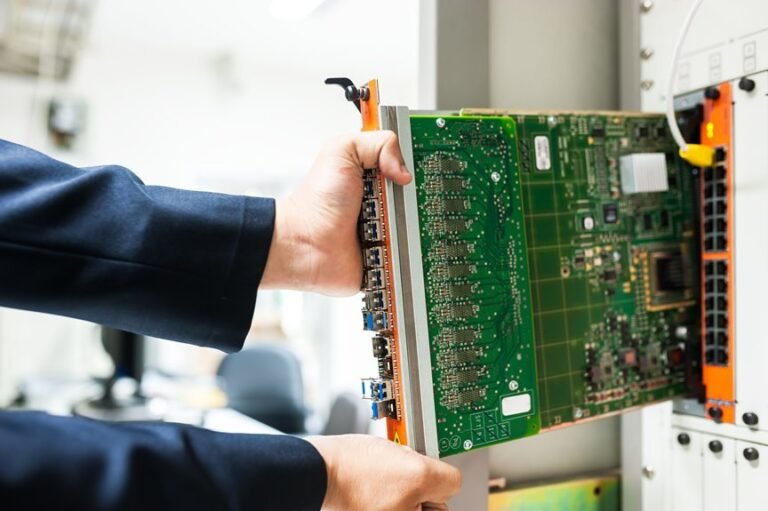
The process addresses unboxing considerations and physical placement, documenting connectors, power supply, and orientation.
This concise protocol supports deliberate setup while preserving user autonomy and clarity.
Accessing the admin interface requires configuring the login credentials, selecting the appropriate LAN interface, and initiating the initial setup steps. The process emphasizes Getting started with clear authentication, unique passwords, and disciplined access control. System defaults are reviewed, then changes are saved. Network hygiene is maintained by documenting settings, applying updates, and auditing access, ensuring stable, auditable administration without exposing excessive attack surfaces.
To proceed from obtaining admin access, the guide now concentrates on securing wireless operations: configuring Wi‑Fi security settings and establishing a guest network.
The procedure emphasizes strong encryption, unique passphrases, and segmented access, ensuring continual visibility and control.
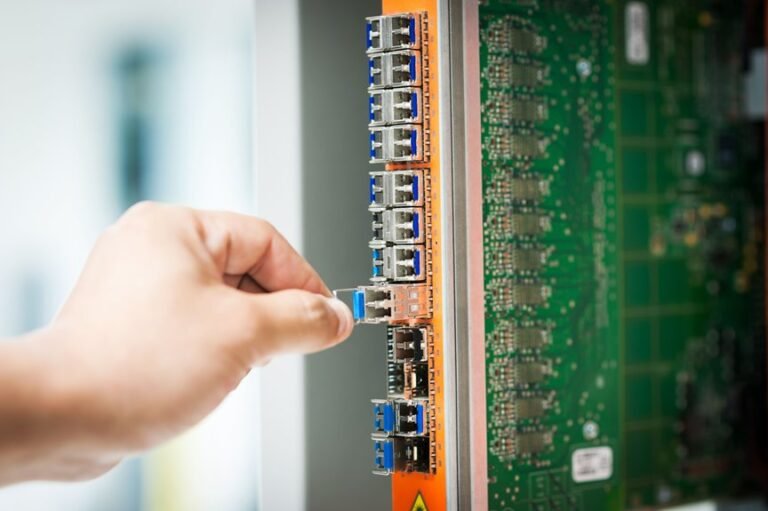
It also notes unboxing aesthetics and fiber alignment considerations for consistent, repeatable deployments while preserving user autonomy and network integrity.
Efficient network operation hinges on disciplined hygiene, systematic troubleshooting, and ongoing maintenance. The guidance emphasizes routine monitoring, logs review, and configuration audits to prevent degradation. Address network congestion through traffic shaping, QoS rules, and prioritized paths. Troubleshooting follows a structured workflow: reproduce, isolate, verify, and document. Regular firmware updates, backups, and change-control sustain performance and resilience.
A firmware update should be performed with firmware safety in mind, using official builds, verifying checksums, and maintaining rollback procedures. After update, configure dns customization, optimize lease time, and document changes to ensure reproducible, freedom-respecting network control.
Custom DNS and DHCP lease time can be adjusted. The configuration interface updates DNS servers and lease duration, affecting client behavior. With precise controls, the system supports flexible wifi security assumptions while preserving network autonomy and reliability.
Port forwarding basics involve mapping internal ports to external ones, enabling remote access security while preserving control. The methodical setup requires selecting the app, specifying internal IP, port range, protocol, and enabling NAT rules for secure remote access.
Parental controls include adjustable content filters and time limits; enable via Admin password access, then configure profiles. Netflix restrictions can be applied, and Safe browsing enforced. Theoretical verification confirms these controls balance privacy with responsible use for freedom-loving users.
The administrator should initiate password recovery via the device’s secure reset procedure, then create a fresh password while ensuring firmware update is current to maintain device security and prevent unauthorized access.
In conclusion, the 168.3.7 router is elevated from box to baseline through a disciplined sequence: unbox, inspect, document, connect, and secure. The admin interface becomes the control center for robust access, updated firmware, and logs. Wi‑Fi is fortified with strong encryption and a dedicated guest network, while ongoing maintenance—backups, audits, and change control—keeps the system resilient. Like a lighthouse in a digital harbor, consistent procedures illuminate secure, reliable connectivity.