Newsletter Subscribe
Enter your email address below and subscribe to our newsletter

 BySonu
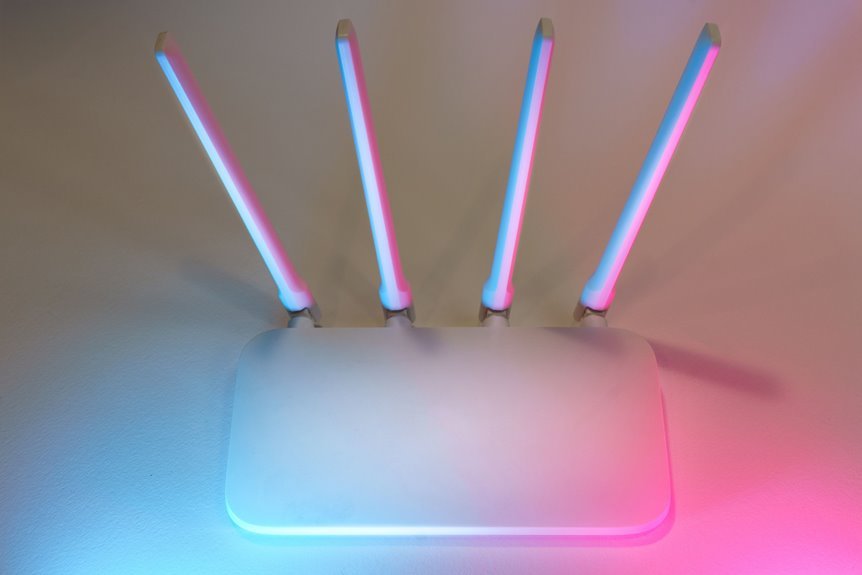
The guide on the 168.99.1 router login and setup offers a careful, stepwise approach to accessing the admin panel and hardening a home network. It emphasizes verified connections, unique credentials, and current security defaults before making changes. Practical steps cover SSID, passwords, and firmware updates, with attention to layered protection and optional guest access. Challenges are anticipated, and procedures for troubleshooting are outlined, but a prudent path remains just beyond the initial setup—where precise configuration decisions must be weighed.
To access the 168.99.1 router admin panel, users should ensure their device is connected to the router’s network, either via Ethernet or Wi‑Fi.
The procedure emphasizes safety and privacy, guiding responsible exploration.
Credentials are required, and default settings should be reviewed.
Topic ideas favor informed exploration, while router access is documented for transparent troubleshooting, enhanced control, and freedom from unnecessary restrictions.
Setting up the Wi‑Fi, password, and network name on the 168.99.1 router involves configuring a strong, unique SSID, selecting a robust passphrase, and aligning security settings with current best practices to minimize exposure to unauthorized access.
This quick setup emphasizes setup basics and clear wifi naming, presenting concrete steps, cautions, and verification to ensure reliable, immediate network control and privacy.
Strengthening security and parental controls is essential to protect network integrity and family members while preserving usability. The guidance emphasizes layered defenses, regular firmware updates, and unique admin credentials, implemented with caution. Security best practices include guest networks and device access monitoring. Parental controls strategies balance oversight with privacy, enabling content filtering and time limits without unwarranted intrusion.
Connectivity issues and login problems are common with home routers, and systematic checks help distinguish hardware faults from configuration errors. The guide recommends verifying physical connections, rebooting the device, and resetting credentials only after noting current settings. Consider broadband alternatives if the primary link remains unstable, and assess device compatibility across clients. Document steps to reproduce issues for clearer diagnostics and faster resolutions.
Yes, mobile access is possible with remote admin enabled and secure access methods; ensure firmware updates are current, enable strong authentication, and review parental controls for safety while maintaining freedom to manage settings remotely.
The reset procedure restores factory defaults but preserves data retention? Cautiously, it requires a backup before attempting. If available, perform firmware rollback, then power cycle, ensuring minimal loss; otherwise, data may be irretrievable. Handle with freedom-aware care.
If the login page times out or stalls, Tech troubleshooting suggests checking connectivity and router status, then attempting remote access again. Ensure firmware is up to date, restart devices, and verify remote access settings before proceeding cautiously.
Approximately 92% of manufacturers offer warranty options or replacement parts; the router’s coverage varies by model. This status is thoroughly documented, and a cautious reviewer notes warranty options and replacement parts may require proof of purchase and activation.
Yes, customization is possible: custom LED indicators may be configurable, and power saving features can be enabled or adjusted. The approach remains thorough, precise, and cautious, appealing to readers seeking freedom while ensuring compatibility and reliability in settings.
Access to the 168.99.1 router should be treated with deliberate care. In practice, a user once noted that updating firmware felt like locking a door after a storm—the house is safer, yet the process requires calm steps. Data show that networks with strong passphrases and regular updates reduce breaches by a significant margin. The conclusion: follow methodical access, verify settings, rotate credentials, and document changes. This disciplined routine ensures a resilient, well-managed home network.