Newsletter Subscribe
Enter your email address below and subscribe to our newsletter

 BySonu
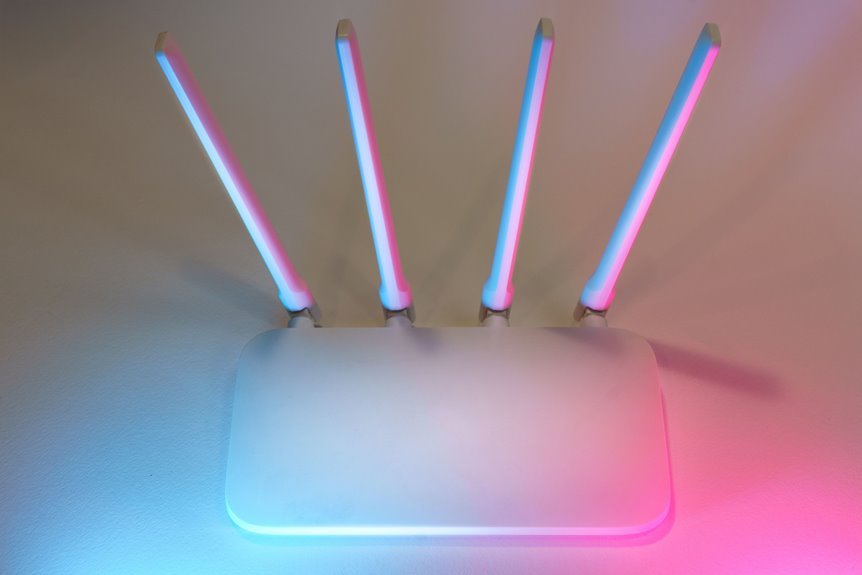
Accessing 192.168.100.1 requires a compatible device and an active network link. The guide outlines locating default credentials, logging in, and immediately changing the admin password. It then covers securing Wi‑Fi settings and applying firmware updates, with emphasis on least-privilege access and ongoing monitoring. Potential pitfalls and common misconfigurations are noted to preempt issues. For those seeking a reliable, sustained setup, the path ahead reveals critical steps that demand careful execution.
To access the router’s login page, users should enter 192.168.100.1 into a web browser’s address bar and press Enter.
The process outlines Access methods, device compatibility, and Network discovery prerequisites.
Browser requirements specify supported engines and security settings.
Systematically verify connection, identify default login details from manuals or labels, and document any unique access paths for ongoing freedom and control.
After establishing how to access the router at 192.168.100.1, the next step is to securely change the admin password and adjust Wi‑Fi settings. The procedure emphasizes immediate credential replacement and SSID/encryption updates. Systematic checks ensure router hardware integrity.
Documented changes enhance network security while preserving control and freedom to optimize performance without compromising access or transparency.
An essential step in securing a router at 192.168.100.1 is implementing targeted security tweaks that reduce exposure and strengthen access control. The guidance applies security best practices, configures strong administrative credentials, and enables least-privilege interfaces. It emphasizes network segmentation, regular firmware updates, and proactive connectivity troubleshooting to prevent unauthorized access while preserving operational freedom and reliable, auditable performance.
Effective login and connectivity rely on confirming basic access parameters and diagnosing common failure points observed with 192.168.100.1 interfaces. Systematic checks determine credential validity, IP reachability, and DHCP behavior. Issues often involve network protocols misalignment, router firmware mismatches, or blocked ports. Apply security best practices, verify parental controls settings, and ensure firmware updates to restore stable access and predictable connectivity.
Yes, remotely forcing a factory reset depends on the device and security settings. The reset protocol is typically initiated via remote access interfaces, requiring authenticated, secure channels; unauthorized attempts are prevented by encryption, role-based access controls, and administrative policies.
A wired connection is not strictly required for initial setup; however, a wired connection ensures stability, speed, and troubleshooting ease. The initial setup can proceed via wireless, but wired connection optimizes reliability, security, and precise configuration during setup.
How often firmware should be updated automatically is defined by device policy; Automatic updates frequency varies, but many devices enable unobtrusive, scheduled checks. Remote factory reset, Initial setup wired requirement, Guest network devices, and Backup and restore configurations remain unaffected by cadence.
One interesting statistic: wired and wireless guest networks often limit simultaneous devices to 5–10 per AP. Guest network limitations and device compatibility determine throughput; any device can operate if supported, but performance varies with encryption, bandwidth, and QoS settings.
Backup configurations and restore settings are possible via the router’s admin interface; perform a secure backup before firmware updates, then use the restore feature if needed. Ensure guest networks retain protections while applying changes, documenting each step.
In conclusion, a disciplined, stepwise approach ensures reliable access and hardened settings for 192.168.100.1. By confirming compatibility, locating default credentials, and promptly changing the admin password, administrators establish a secure baseline. Systematic updates to SSID, encryption, and access controls fortify the network, while routine firmware checks keep defenses current. When issues arise, a methodical check of IP reachability, DHCP behavior, and port restrictions is essential—success hinges on following the plan, and staying one step ahead. It’s a well-oiled machine.