Newsletter Subscribe
Enter your email address below and subscribe to our newsletter

 BySonu
The 168.69.1 Router Admin Access Guide presents a structured framework for centralized firmware and security configuration. It explains locating the default gateway, accessing the login at http://168.69.1, and evaluating firewall options after authentication. The guide emphasizes secure, auditable reset procedures and hardening measures such as unique credentials, RBAC, and timely firmware updates. It notes ongoing monitoring and segmentation as defenses, but leaves open questions about practical implementation and evolving threat responses.
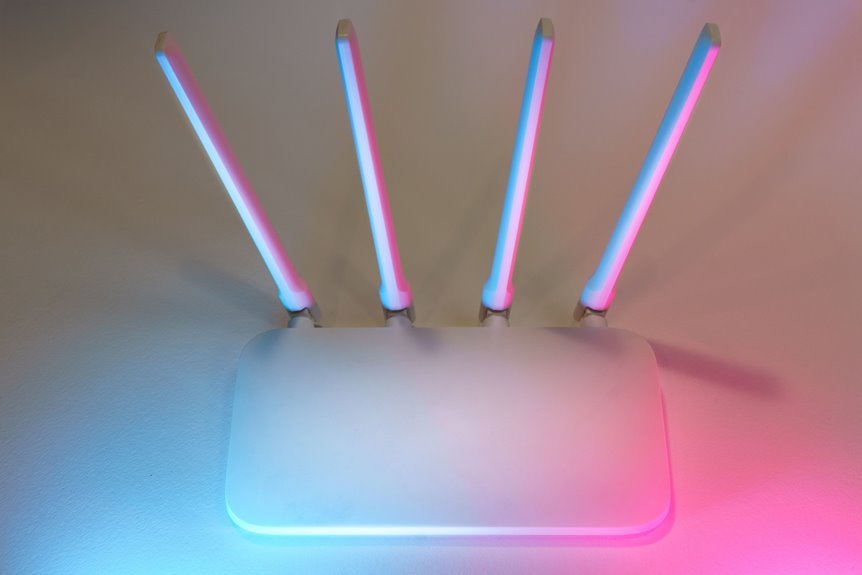
The 168.69.1 router admin page serves as the centralized interface for configuring and managing a specific router’s settings. It consolidates firmware options, security controls, and network policies into a single panel. This structure enables precise, rapid adjustments while preserving system integrity. two word discussion idea 1, two word discussion idea 2 support decisive, freedom-oriented customization within standardized parameters.
To locate the default IP address for 168.69.1 and access the login page, users should first consult the device’s label or manual, where the default gateway is typically listed.
The procedure emphasizes network security and accessibility: identify the gateway, navigate to http://168.69.1, and authenticate.
Then examine firewall configuration options to ensure proper protective policies.
Typical credentials for accessing the 168.69.1 router interface are a combination of a default username and password or a default password for the admin account, commonly documented on the device label or in the manual; users should verify these values before attempting login.
The reset procedure should be documented, reversible, and validated during a security audit, ensuring guest network integrity and access controls.
Hardening admin access and keeping firmware current are interdependent practices that build a secure foundation for the 168.69.1 router.
Authorized access should rely on unique, strong credentials, role-based controls, and two-factor authentication, while firmware updates must be timely and validated.
Implement network segmentation and hardware encryption to minimize exposure and protect admin sessions from evolving threats.
Continuous monitoring ensures proactive defense.
Accessing the admin page from a guest network is generally blocked due to router security settings. If permitted, it requires configuring network isolation, secure credentials, and appropriate firewall rules, ensuring guest network access remains separate from sensitive router administration tasks for enhanced router security.
Changing the password should occur regularly; best practice is every 90 days. This supports password hygiene and WAN security, guarding against breaches and preventing unauthorized remote access. Regular rotation balances security with operational freedom and convenience.
Yes, the 168.69.1 router page is reachable without internet, through local network access. The discussion notes emphasize securing remote firmware and updating default credentials to maintain control while preserving user freedom and autonomy.
The login page shows a blank screen; troubleshooting begins with diagnosing login button troubleshooting, followed by diagnosing blank page causes. Parallelism targets: verify network, check router UI version, examine cache, disable plugins, reset session, confirm device compatibility.
After a factory reset, safety steps include performing a cleanup checklist and applying firmware updates, ensuring default credentials are replaced, network segmentation is restored, and monitoring is established; this aligns with a freedom-minded, technically precise maintenance approach.
In the quiet engine room, a lone compass Suspends over a map—168.69.1 a fixed star guiding sailors through fog. The login is a lock, whose tumblers click only with secure keys, resettable by careful hands. Documentation becomes the ballast, firmware updates the tide, and access control the reef that keeps the hull intact. When practiced with discipline, the ship holds steady; when neglected, even the voyage itself becomes a perilous drift.