Newsletter Subscribe
Enter your email address below and subscribe to our newsletter

 BySonu
The discussion centers on the 168.100.9 router login and WiFi setup. It outlines accessing the admin panel, entering credentials, and responding to potential two-factor prompts. It also covers securing the wireless network with a strong password, an appropriate SSID, WPA3, guest network isolation, and the decline of WPS. Practical steps for updates and maintenance are noted. The implications for reliability hinge on correct configuration, but unresolved questions remain about optimal guest policies and future firmware support.
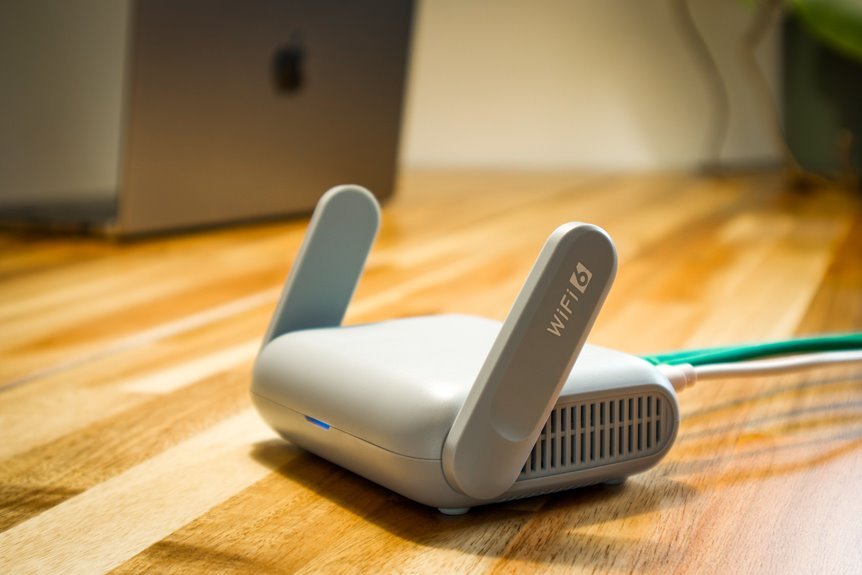
The 168.100.9 router is a consumer networking device designed to manage local area network traffic and provide internet access.
What is described here: a compact gateway with defined router expectations for performance, reliability, and security.
It includes security features to mitigate threats, and supports firmware updates to maintain functionality, compatibility, and resilience against emerging vulnerabilities.
Access to the router’s admin panel is required to configure network settings and manage security options. Access the admin panel via a standard web browser, entering the device IP and credentials. Typical login prompts request username and password, with potential prompts for two-factor verification or reset options. The admin panel offers navigation for status, maintenance, and basic configuration without unnecessary clutter.
Securing a wireless network begins with selecting a strong SSID, a robust password, and appropriate encryption. The secure setup emphasizes unique SSIDs, disable broadcast if necessary, and centralized guest networks. Consider WPA3 when possible; enable guest isolation to separate guest devices.
Clear router basics—configure timers, disable WPS, apply firmware updates, and document credentials for reliable, freedom-friendly security.
Connectivity and performance issues are analyzed methodically, outlining common causes, diagnostic steps, and targeted optimizations to restore stable links and maximize throughput.
The guide assesses network latency, device compatibility, and dns configuration, then prescribes firmware updates, channel optimization, and resets as needed.
Parental controls are reviewed for unintended interference, ensuring clear paths, minimal jitter, and sustained throughput for freedom-minded users.
Yes, one can change the router’s default IP address, though it may affect connected devices and access rules; perform a controlled changeLog security review, ensure firmwareUpdate is current, and document the new address before deploying to maintain operational freedom.
A password like a locked vault: the reset process requires physical access, factory reset, then secure password creation. They should perform a firmware update, store a secure password, and reconfigure admin credentials to prevent unauthorized access.
The question: a mobile app for management exists. Mobile app management is supported, providing remote configuration and monitoring. Security best practices recommend using official apps, enforcing strong authentication, regular updates, and minimizing permissions for flexible, freedom‑valued administration.
Parental controls and content filtering are available; the router login interface enables configuration. Coincidentally, a user can tailor restrictions by profile and site categories, though effective results depend on firmware updates and device compatibility.
A guest network can be configured with bandwidth limits, while enabling parental controls and content filtering; the system enforces separate SSID access, queue shaping for guest devices, and configurable time restrictions to balance freedom with network governance.
In summary, the 168.100.9 router provides a straightforward path from admin access to robust wireless security. A concise sequence—login, firmware checks, and network hardening—yields reliable performance. An interesting stat: modern home routers often average 2–3 minutes to complete initial setup, highlighting how a focused configuration can drastically reduce ongoing issues. With a strong SSID, WPA3 password, guest isolation, and WPS disabled, devices experience safer, steadier connectivity and easier maintenance over time.